
Why More Sellers Are Choosing Pre-Listing Inspections
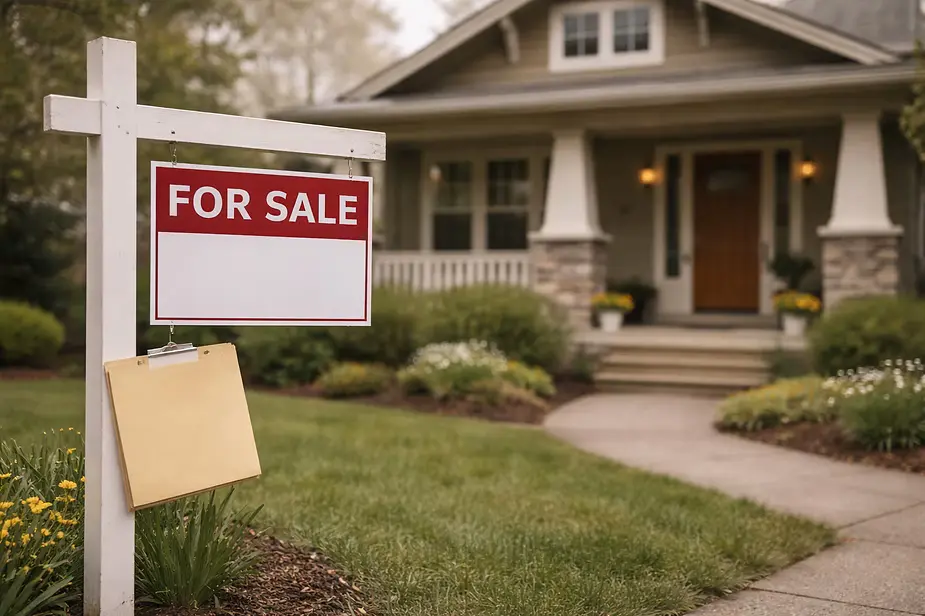
One of the biggest causes of stress during a real estate transaction is discovering unexpected findings once escrow is already underway. Suddenly, there are repair requests, unexpected negotiations, and the buyer is trying to sort through what matters immediately versus what may simply come with owning a home. That’s one reason more agents and sellers are choosing pre-listing inspections before the property ever hits the market. Not because every home is perfect. But because having clearer information upfront usually leads to smoother transactions later. Helping Sellers Prepare Before Escrow When unexpected findings come up during the buyer’s inspection, the tone of the transaction can shift quickly. A pre-listing inspection changes the timing of those conversations. Instead of discovering concerns in the middle of escrow, sellers have time to understand the condition of the home before negotiations begin. They can decide: what they want to repair what they want to disclose how they want to price or position the property accordingly That gives sellers more time, more options, and fewer rushed decisions under pressure. For buyers, it often creates a more transparent experience with fewer surprises once escrow is underway. For agents, it also creates a more informed and prepared listing from the start. Fewer Surprises Means Fewer Renegotiations Most post-inspection negotiations don’t happen because of one catastrophic finding. More often, it’s the accumulation of smaller unexpected items: an aging water heater fencing that needs repair deferred maintenance worn weatherstripping minor plumbing concerns or components nearing the end of their expected lifespan Individually, many of these aren’t major concerns. But together, they can create uncertainty for buyers who weren’t expecting them. When sellers address manageable items ahead of time, or disclose them clearly upfront, there are simply fewer surprises to revisit once escrow is underway. That usually leads to smoother conversations and a cleaner path toward closing. One Call, One Visit One thing clients and agents appreciate about pre-listing inspections with Nighthawk is the simplicity. Home inspection, pest, sewer, and additional services can all be coordinated in a single visit. That means: fewer scheduling headaches less disruption for the seller and a more complete understanding of the property before it goes live When timelines matter, simplifying the process matters too. It’s one more way we help transactions stay on track and help clients close on time, every time Why Some Sellers Choose a Pre-Listing Inspection For many sellers, a pre-listing inspection simply creates more clarity before the home goes on the market. Instead of learning about the home’s condition in the middle of escrow, they have time to better understand: which items may need attention, what maintenance has been deferred over time, and what buyers are most likely to ask about during inspections. Some sellers choose to make repairs ahead of time. Others prefer to disclose findings and price the home accordingly. Either way, having that information earlier often leads to fewer surprises and more informed conversations once a buyer is involved. It can also help buyers feel more comfortable knowing the seller has already taken steps to better understand the property before listing it for sale. A Simpler Way to Create Smoother Transactions A pre-listing inspection won’t make every transaction perfect. But it does give buyers, sellers, and agents better information earlier in the process and that usually leads to calmer conversations, more confidence, and a clearer path to closing. That’s a big part of how we approach inspections at Nighthawk: giving buyers, sellers, and agents clearer information so transactions can move forward with more confidence – so you can close on time, every time.
The Home Inspection Report Isn’t the Problem

You opened your inspection report and suddenly the house you were excited about feels overwhelming. You might want to call your agent and ask if you should back out of this property. There are pages of notes. Recommendations. Photos. Maintenance items. Maybe even 47 line items staring back at you. For a lot of buyers, that moment feels heavier than they expected. But here’s something most people don’t realize until someone explains it: a long inspection report usually isn’t a sign that something is wrong with the house. More often, it’s a sign the inspector was thorough. A Thorough Report Looks Alarming on Purpose Inspection reports are designed to document observations, maintenance items, safety concerns, and things worth monitoring over time. A well-maintained home built in 1995 can easily generate 30, 40, even 50 line items. That doesn’t mean the home has 50 major problems. Many of those items are routine maintenance recommendations, normal wear for the age of the home, or things to simply keep an eye on over time. The hard part is that most buyers read the report alone, often late at night, without much context around what they’re actually looking at. And when everything is written in the same report format, it can be difficult to tell the difference between: a minor maintenance item, something common for the age of the home, and something that truly deserves immediate attention. That’s exactly why the walkthrough matters so much. What Changes When Someone Explains It At Nighthawk, the inspection doesn’t end when the inspector leaves the property. At the end of the inspection, we spend time walking buyers through the findings in plain language and real-world terms. You’re not going to hear “Refer to section 4.2 for HVAC deficiencies.” You will hear something more like “Your furnace is older and likely getting toward the end of its lifespan. It’s working at the time of inspection, but it’s smart to budget for replacement in the coming years.” That conversation changes the entire tone of the report. Once buyers understand what they’re looking at, the report usually feels far less intimidating and they begin to understand: what’s important right now what can be monitored over time and what’s simply part of owning an older home The report is information. The walkthrough is context. And when buyers have both, they make far more confident decisions. The Mindset Shift Worth Sharing One of the biggest misconceptions around home inspections is that a shorter report automatically means a better house. That’s not always true. And in fact, at Nighthawk, we believe the opposite is usually true. A detailed report often means the inspector took the time to document the property carefully and explain what they observed. You’re not looking for a perfect report. You’re looking for an accurate one. Every home has maintenance. Every home has aging components. Even newer homes can have defects, oversights, or safety concerns worth addressing. The goal of the inspection isn’t to scare buyers away from a house. The goal is to help buyers understand what they’re buying so they can move forward with clear expectations. What Agents Tell Us | Home Inspection Report One thing we hear often after inspections is how the client feels so much better after the inspector explained it. That’s not a coincidence. We believe a good inspection experience should leave buyers feeling informed, supported, and able to ask questions openly, not rushed through the process or left trying to interpret everything alone from a PDF. Buying a home is already a big decision. The inspection process shouldn’t add unnecessary confusion or fear to it. When buyers understand the house and the report, they tend to make calmer, more confident decisions about what comes next. A home inspection shouldn’t leave you more confused than when you started. The goal is to help you understand the home, know what matters most, and feel confident moving forward. If you ever have questions during the inspection process, we’re always happy to talk things through.
Spring Home Maintenance Checklist: Last Chance Before Sacramento Heat Arrives
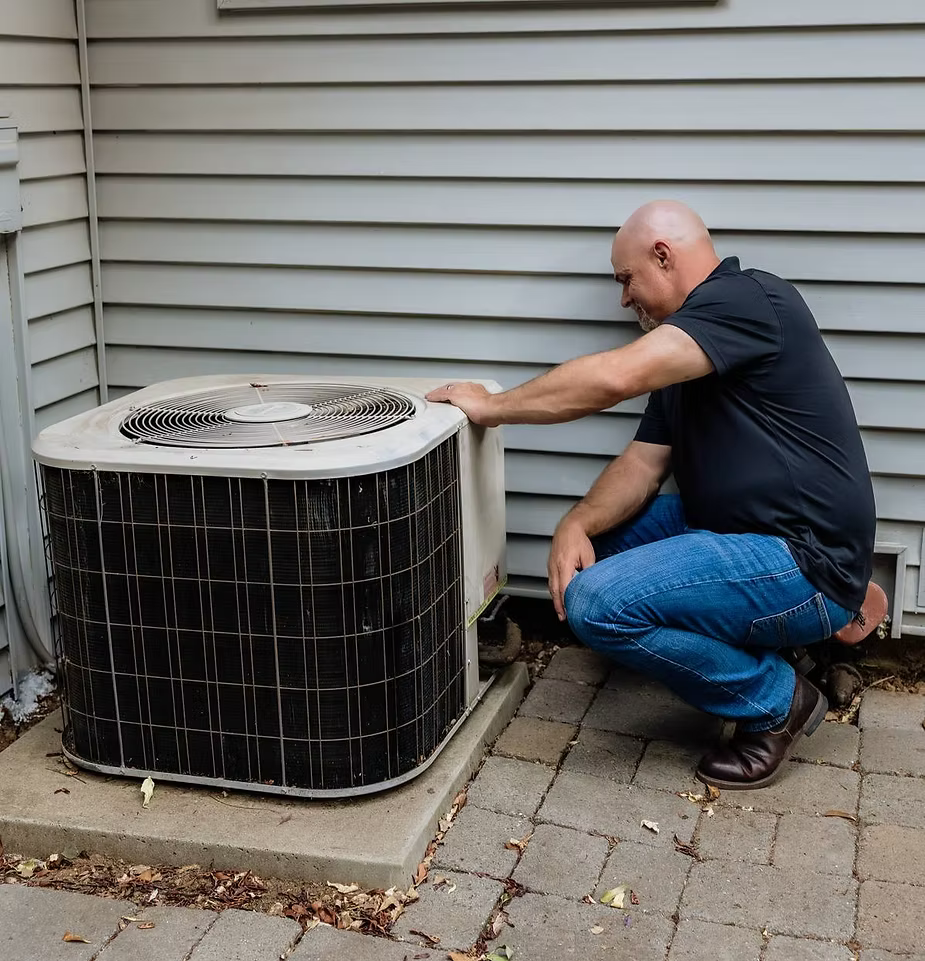
Spring in Northern California doesn’t last long. One week you’re dealing with the last of the winter rains, and the next you’re watching the forecast tick toward 95 degrees. That narrow window between seasons is exactly when your home needs attention – before the heat makes small problems into expensive ones. Here’s what to check now, while conditions are still manageable. Spring Home Maintenance Checklist: 1. Your HVAC System This is the one most homeowners skip until the first hot day – and then regret it. Before summer arrives, replace the air filter and schedule a professional tune-up. A system that’s been sitting idle through a mild winter can have dirty coils, low refrigerant, or worn components that won’t reveal themselves until you’re running it hard in July. A tune-up typically costs $75-$150. An emergency HVAC repair in August costs a lot more. DIY: Swap the filter yourself. Call a pro: Refrigerant checks, coil cleaning, and anything involving the electrical components. 2. Your Roof Your roof should be near the top of any spring home maintenance checklist. Winter rains are hard on roofs, especially older ones. Now that things have dried out, walk the perimeter of your home and look up. You’re looking for: Missing or curling shingles Visible sagging or soft spots Debris buildup in valleys (where two roof planes meet) Flashing that looks lifted or separated around vents and chimneys If you’re not comfortable getting on the roof yourself, that’s completely reasonable. A quick visual from the ground or a pair of binoculars can reveal a lot. If something looks off, have a roofing professional take a closer look before summer heat bakes any existing issues deeper into the materials. 3. Gutters and Downspouts After months of leaves, debris, and winter storms, your gutters are likely carrying more than they should. Clogged gutters don’t just overflow – they push water back toward your fascia, siding, and foundation. In Northern California, where the ground is already saturated from winter rains, that extra moisture has nowhere to go. Clear them out now, before you forget and before the heat makes it an unpleasant job. Make sure downspouts are directing water at least 4-6 feet away from your foundation. DIY-friendly for most single-story homes. Two-story or steep-pitch rooflines – call someone. 4. Exterior Paint and Wood Trim Winter moisture and summer heat are a rough combination for exterior paint and wood. Walk around your home and look for peeling paint, cracked caulk around windows and doors, or soft/spongy wood trim. These aren’t just cosmetic issues. Gaps in caulk let moisture in; damaged paint exposes wood to the elements. Left alone through another summer, small repairs become bigger ones. Touch up caulk and paint now while temperatures are mild. Most exterior paints need moderate temperatures to cure properly – spring is the ideal window. 5. Irrigation System If your sprinklers have been off since fall, don’t just flip them on and assume everything’s fine. Run each zone manually and watch for: Broken or tilted heads Uneven coverage (dry patches or soggy spots) Leaks at the connection points Irrigation leaks waste water and can quietly saturate soil near your foundation, which matters in areas with expansive clay soils common throughout the Sacramento valley. A small leak running daily adds up fast, both on your water bill and in potential damage. DIY: Running the zones and replacing a broken head is manageable for most homeowners. Call a pro: If you have a more complex system, backflow preventer issues, or you’re not sure why a zone isn’t working. 6. Window and Door Seals Here’s one that often gets overlooked: check the weatherstripping and seals around your windows and doors. In summer, a drafty window doesn’t just let in hot air – it makes your HVAC system work harder than it needs to. Run your hand along the edges on a warm day. If you feel air moving, the seal is compromised. Replacing weatherstripping is an easy, inexpensive DIY fix that pays for itself in energy savings. A Quick Note on Timing Most of these items take an afternoon, not a weekend. The goal isn’t perfection – it’s catching the things that get worse when ignored. If your home is due for an annual inspection, spring is a great time to schedule one. A fresh set of eyes can spot what’s easy to overlook when you see the same house every day. Questions about what to prioritize in your specific home? We’re always happy to talk it through.
How to Prep Your Buyers for Home Inspection Day

You’ve done the hard work. Your buyers are under contract, they’re excited, and then inspection day gets closer and the questions start coming in. “What are they going to find?” “Should I be there?” “What if the report is bad?” Most buyer anxiety around inspections isn’t about the house. It’s about not knowing what to expect. A few minutes of honest conversation to help them prep for home inspection day can make all the difference… and it makes you look like the agent who actually prepares their clients. Here’s what works. Set the Scene First Before anything else, help your buyers picture the day. A home inspection typically runs two to three hours, sometimes a little longer depending on the size and age of the home. The inspector will move through every accessible area: roof, attic, crawlspace, electrical panel, plumbing, HVAC, foundation, and every room inside. It’s thorough. It’s supposed to be. A talking point you can use: “Think of it like a physical for the house. The inspector isn’t looking for reasons to kill the deal. They’re giving you a full picture of what you’re buying.” That framing alone tends to lower the temperature. Tell Them What “Normal” Looks Like This is where a lot of buyers get tripped up. They open the report, see 40 pages, and assume something is terribly wrong. It’s not. Every home has findings. Even brand-new construction. Prepare them for this before they ever read a word of the report. A talking point you can use: “The report is going to list a lot of things. That doesn’t mean the house is a disaster. Some items are things to fix now, some are things to watch over time, and some are just how older homes are built. We’ll go through it together.” Common findings that tend to alarm first-timers but are often completely normal: Minor cracks in drywall or stucco Older water heaters or HVAC systems nearing end of lifespan GFCI outlets missing in older bathrooms or kitchens Weatherstripping that needs replacing Attic ventilation or insulation that could be improved None of these are emergencies. Context matters more than the list length. Coach Them on How to Be There Buyers often aren’t sure whether to attend. The short answer: yes, they should be there, at least for the walkthrough at the end. They don’t need to follow the inspector around for three hours (and most inspectors prefer they don’t). But showing up for the final 30 to 45 minutes, when the inspector walks through key findings in person, is genuinely valuable. A talking point you can use: “Plan to be there for the last half hour. The inspector will walk you through what they found, explain what matters most, and answer your questions right there. It’s the best part of the whole process.” That walkthrough is where a lot of the anxiety gets resolved in real time. Prepare Them for the Report The report arrives within 24 hours, usually sooner. It’s detailed, it has photos, and it’s organized by system. For a first-time buyer staring at it alone, it can feel overwhelming. Tell them this before it lands in their inbox. A talking point you can use: “When you get the report, start with the summary section. That’s where the inspector flags the things that need the most attention. Don’t read it front to back and assume everything on the list is equally urgent.” And here’s something worth mentioning: at NightHawk, buyers can request a follow-up call to walk through the report together. That call exists specifically for moments when a buyer is sitting with a 40-page document and doesn’t know where to start. It’s a simple thing that makes a big difference. Prep for Home Inspection: The Conversation That Changes Everything Most inspection anxiety comes from the unknown. Buyers imagine worst-case scenarios because no one has given them a realistic picture of what they’re walking into. You can change that in five minutes before inspection day. Set the timeline. Normalize the findings. Tell them to show up for the walkthrough. Point them to the summary first. And let them know there’s support if they have questions after. That’s it. That’s the whole prep. When buyers prep for home inspection with realistic expectations, it becomes what it’s supposed to be: one of the most empowering steps in the buying process, not the scariest one. What’s the most common inspection question your buyers ask before the day? We’d love to hear what you’re navigating out there.
Why Inspector Experience Matters More Than Price
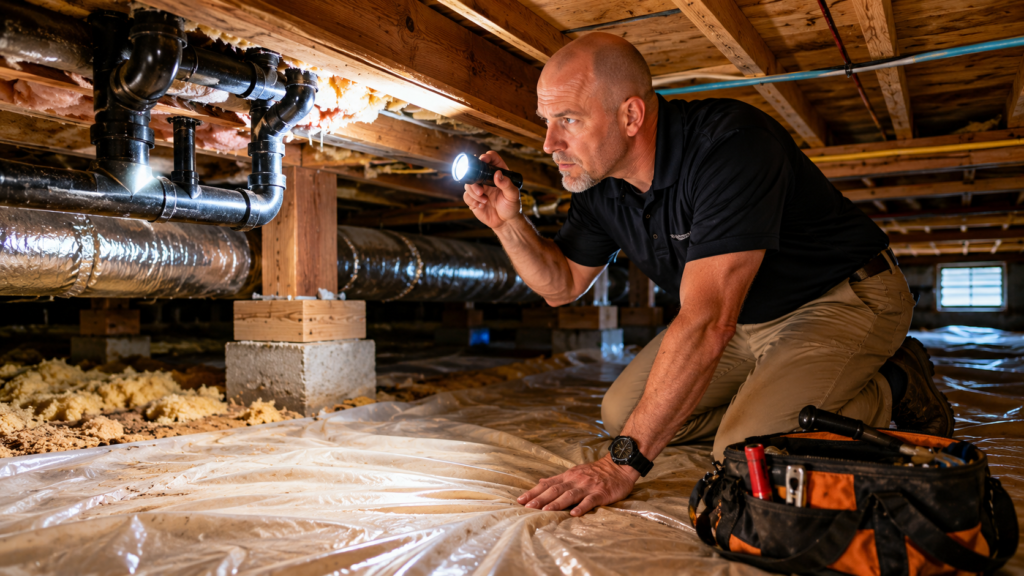
You’ve been there. A client finds an inspector online for $100 less and asks: “Can we use them instead?” It’s a fair question. On the surface, a home inspection looks the same no matter who does it. Someone shows up, walks through the property, writes a report. Why pay more? Here’s what that conversation misses. A home inspection isn’t just a checkbox on the way to closing. It’s the single most important due diligence step your buyer will take before they sign a six-figure commitment. The Real Cost of Cheap When inspectors compete on price alone, something has to give. Usually, it’s time. A thorough inspection of a typical Northern California home takes 2.5 to 4 hours. Inspectors who undercut the market do it by moving faster, which means less time in the attic, less time checking the crawlspace, and less time answering your buyer’s questions. Here’s a real example. An inspector rushes through an older home in under two hours. They note some foundation cracks in the report but don’t explain that seasonal soil movement is normal for the region. The buyer panics, demands a structural engineer, and the deal stalls for three weeks while everyone waits for a $1,500 evaluation that says: “This is typical settling. Monitor it.” That “bargain” inspection just cost your client time, money, and stress. And it made you look like you didn’t know what you were doing when you recommended them. What Gets Missed When Inspectors Rush Speed isn’t just about missing obvious problems. It’s about missing context. Jeremy’s been inspecting homes for over a decade after spending 20+ years in construction. That background matters when he’s looking at a home built in 1978 versus one built in 2015. He knows what’s normal wear for a 45-year-old HVAC system in Northern California’s climate. He knows the difference between a cosmetic crack and a structural concern. He explains it clearly so your buyers understand what they’re looking at. Fast inspections also skip the education piece. Your buyers get a 40-page report with red flags but no context. They don’t know what to prioritize, what to negotiate, or what to plan for down the road. You end up fielding panicked calls and trying to translate technical jargon you didn’t write. Experience Shows Up in the Details When you recommend an experienced inspector, here’s what your clients actually get: Clear communication that keeps deals moving instead of derailing them Regional expertise that explains what’s typical for Northern California homes Thorough documentation with photos and explanations, not just checkboxes Post-inspection support with follow-up calls to walk through findings You’re not paying for someone to show up with a clipboard. You’re paying for someone who’s seen thousands of homes, knows what matters, and can explain it in a way that helps your buyer make a confident decision. How to Frame It for Your Clients When a buyer pushes back on price, try this: “I recommend inspectors based on who I trust to give you the clearest picture of what you’re buying. The cheapest option isn’t always the one that protects your investment best.” Most buyers get it when you frame it that way. They’re already spending $500,000 on the home. Saving $100 on the inspection but missing a $5,000 issue doesn’t make financial sense. And when your buyers work with someone who educates instead of alarms, who explains instead of just documents, you look like the agent who knew exactly who to recommend. The Bottom Line: Inspector Price vs. Inspector Value You’ll find inspectors who compete on price, and you’ll find corporate franchises with rotating inspectors who vary in quality. We’re neither. At Nighthawk, we’re the alternative. Family-owned, award-winning three years running, and backed by thousands of inspections across Northern California. We prioritize thoroughness and clarity because that’s what keeps your deals on track and your reputation intact. What’s your experience been with price-focused buyers? We’d love to hear how you navigate that conversation.
How to Read Your Home Inspection Report (Without Panicking)

Let’s be honest. The first time you open your home inspection report, it can feel like… a lot. Pages. Photos. Technical language. Items highlighted in bold. And if you’re buying a home in Northern California? You’re already emotionally invested. We’ve had buyers call and say: “Is this bad?” “Did we just make a huge mistake?” “Should we walk away?” Almost every time, the answer is the same: Let’s take a breath. Let’s walk through it together. First Things First: Every Home Has Findings We have never inspected a “perfect” house. Not new construction. Not remodeled homes. Not million-dollar customs. Homes are physical structures exposed to weather, use, time, and gravity. There will always be maintenance items, aging components, and opportunities for improvement. An inspection report is not a pass/fail test. It’s a snapshot in time. It’s information – so you can make confident decisions. How to Actually Read Your Inspection Report 1. Start with the Summary This is your roadmap. We highlight items that matter most: Safety concerns Significant repairs Items that need further evaluation If you read nothing else, read this section first. It helps you zoom out before diving into details. 2. Understand the System-by-System Sections Your report is organized by major components: Grounds Exterior Roof Attic Crawlspace Heating Cooling Plumbing Irrigation Water Heater Bathrooms Electrical Interior Kitchen & Appliances Fireplace Laundry Garage Each section includes: What we observed Supporting photos Clear recommendations We document thoroughly because we want you to see what we see – not guess. We also color-code observations for ease of reading. 3. Don’t Let the Photos Intimidate You Photos are there for clarity, not shock value. If we note “damaged flashing at chimney,” we show you exactly where it is and what it looks like. What Our Language Actually Means Inspection language can sound bigger than it is if you’re not used to reading it. Here’s some translation examples: “Recommend evaluation by a licensed specialist.” This means the item is beyond the scope of a general inspection and deserves a closer look. It does not automatically mean something major is wrong. It means we want you to have the right expert weigh in. “Safety hazard.” This could cause injury or damage. These are the items we prioritize. “Typical for age” or “Normal wear.” We’re documenting it but it’s expected for a home of this age in this area. “Recommend repair” vs. “Recommend monitoring.” Repair = plan to address it. Monitor = keep an eye on it over time. “Past expected lifespan.” It’s older, still functioning, but you should budget for replacement in the future. This is to help you plan (not panic). Not All Findings Are Equal One of the biggest misconceptions is that everything in the report carries the same weight. It doesn’t. Here’s how we think about findings: Safety Concerns – Address promptly. Attention Needed – Major systems or structural concerns. Often negotiation points. Routine Maintenance – Normal, routine homeowner responsibilities. Monitor- Things that may need attention in the future and should be monitored over time A 90-page report does not mean a bad house. It usually means a thorough inspection with supporting photos and videos. What about other home information? Every report includes additional information about the home, aside from the findings mentioned above: Materials- in each section, we include relevant age and function info (e.g. in Cooling materials, we note the unit location, emergency shut-off operations, and age of unit) Important Information- special operating instructions or key features/notes Limitations- we will note if full accessibility is limited to inspect (common in attics with low headroom) When Specialists Make Sense Sometimes, the next step is a specialist: HVAC technician for aging or underperforming systems Licensed electrician for panel or safety concerns Roofing contractor for a more in-depth inspection of the roof This isn’t a red flag. It’s a smart next step. More information = better decisions. Call Us. Seriously. One of our favorite parts of this process is the post-inspection conversation. We typically have this discussion during the post-inspection walkthrough, however we are here to help beyond the walkthrough. What should you ask us? Things like… “Is this typical for homes in this area?” “Is this urgent or can it wait?” “What would you prioritize?” “If this were your house, what would you focus on first?” We’ve inspected thousands of homes in this region. Context matters, especially in Northern California where soil conditions, climate, and age of the house all play a role. You don’t have to interpret the report alone. The Bottom Line A home inspection report isn’t a list of disasters. It’s a tool. It gives you leverage. It gives you planning power. It gives you clarity. At Nighthawk, our goal isn’t to scare you. It’s to equip you. Now that you know how to read your inspection report, you can move forward informed, steady, and confident. Book online or call 916-587-4295 Nighthawk Inspections – clarity, context, confidence.
What to Expect on Your Home Inspection Day

If you have never been through a home inspection, it is normal to feel unsure about what inspection day actually looks like. How long will it take? Do you need to be there the whole time? Can you ask questions? What should be ready before we arrive? Let’s take the guesswork out of it. Before We Arrive: How to Prepare A smooth inspection starts with a few simple things in place. Utilities Must Be On We need active water, gas, and electricity to test systems properly. If utilities are off, systems cannot be evaluated and inspections may need to be rescheduled. Access Must Be Clear We need safe access to: Attic entry Crawlspace entry if applicable Electrical panel Water heater HVAC equipment If areas are blocked, we cannot inspect them, and that limits the information you receive. Plan to Attend (Especially the Final Walkthrough) You are welcome to be at the property during the inspection. Many buyers use that time to explore the home, get a feel for the space, or check in as we work. Our inspectors will be focused on a thorough, methodical evaluation, so there is no need to stay alongside us the entire time. What we do encourage is being there for the final walkthrough. This is when we slow things down, review the most important findings together, and walk you through what we saw and what it means for you as a buyer. That conversation often brings the most clarity and peace of mind on inspection day. When We Arrive: Setting Expectations At the start, we will: Introduce ourselves Confirm the property and scope Ask if you have specific concerns This is the perfect time to mention anything already on your mind, such as the roof, heating and cooling, or visible cracks or stains. Nothing is off limits. Our role is to evaluate thoroughly and explain clearly. We will also give you a realistic time estimate. Most inspections take 2.5 to 4 hours depending on the home. We do not rush. A thorough inspection takes time. What Happens During the Inspection We inspect the home systematically, inside and out, so nothing gets missed. At a high level, we evaluate: Structure and foundation Roof and drainage Electrical systems Plumbing systems Heating and cooling Interior spaces Exterior components Attic and crawlspace when accessible We are testing, operating, observing, documenting, and taking photos while assessing what is typical versus what deserves attention. The Final Walkthrough: The Most Important Part Once the inspection is complete, we spend 30 to 45 minutes walking you through the key findings. This is where inspection day really becomes valuable. We will show you: Areas that need attention Items to monitor over time Systems nearing the end of their lifespan What is normal for a home like this and what is not You will have time to ask questions and get straightforward answers. Our goal is clarity, not fear or pressure. Your Report: What to Expect You will receive your inspection report within 24 hours, often sooner. The report includes: A clear summary of key findings Photos and explanations System by system details Recommendations and maintenance notes Reports are detailed by design. A longer report does not mean a worse house. It means thorough documentation. Home Inspection Day, Made Simple Inspection day should not feel stressful or confusing. At Nighthawk, we focus on: Clear communication Realistic explanations Local experience Helping you understand what you are buying When you know what to expect, inspection day becomes one of the most empowering steps in the process. Ready to Schedule? Nighthawk Inspections – clarity, context, confidence.
What a Home Inspection Really Tells You | Northern California

If you’re buying a home in Northern California, you’ve likely been told: “You’ll need a home inspection.” What’s often missing is a clear explanation of what that actually means and how to use the information. A home inspection isn’t meant to overwhelm you or derail your purchase. It’s meant to give you clarity, context, and confidence before you move forward. Why Home Inspections Matter in Northern California Homes in Northern California experience conditions that directly affect how they age: expansive soils, seasonal moisture, extreme summer heat, and a wide range of construction eras. These factors influence foundations, roofs, plumbing, electrical systems, and heating and cooling performance. An inspection helps you understand what’s normal for this region, what needs attention, and what you can plan for as a homeowner. Buyers who understand their inspection reports make confident decisions. Our role is to help you be one of them. What We Inspect During a standard home inspection, we evaluate the home’s major systems and components, including: Structure & Foundation – Signs of movement, cracking patterns, and structural concerns Roof – Condition, drainage, flashing, and realistic lifespan expectations Electrical – Panels, wiring, outlets, grounding, and safety concerns Plumbing – Supply lines, drains, fixtures, and water heater HVAC – Heating and cooling operation, age, and overall condition Interior – Walls, ceilings, floors, windows, doors, and moisture indicators Exterior – Siding, grading, drainage, and walkways Attic & Crawlspace (when accessible) – Insulation, ventilation, moisture, and structure We spend several hours onsite and then translate what we find into a clear, easy-to-understand report, not technical noise or fear-based language. What a Home Inspection Is (and Isn’t) A home inspection is: A professional visual evaluation A tool to help you make informed decisions An opportunity to understand the home beyond the listing A home inspection is not: A warranty A pass/fail test A guarantee against future issues Some homes benefit from additional evaluations, such as sewer, pest, or environmental testing. When appropriate, we help coordinate those services. One call, one schedule, less stress. Why Local Experience Matters Homes respond to their environment. Some settlement, cracking, and wear is normal in Northern California. The key is knowing what’s expected versus what deserves further attention. At Nighthawk, we don’t just document conditions. We provide context: Is this typical for the region? Is this something to monitor or address now? How does this affect ownership moving forward? Our goal isn’t to scare you. It’s to help you move forward informed and prepared. Ready to Schedule? If you’re buying a home and want clarity instead of confusion, we’re here to help. Nighthawk Inspections – empowering confident property decisions through expert inspections.