A Thorough Report Looks Alarming on Purpose
Inspection reports are designed to document observations, maintenance items, safety concerns, and things worth monitoring over time.
A well-maintained home built in 1995 can easily generate 30, 40, even 50 line items. That doesn’t mean the home has 50 major problems. Many of those items are routine maintenance recommendations, normal wear for the age of the home, or things to simply keep an eye on over time.
The hard part is that most buyers read the report alone, often late at night, without much context around what they’re actually looking at.
And when everything is written in the same report format, it can be difficult to tell the difference between:
a minor maintenance item,
something common for the age of the home,
and something that truly deserves immediate attention.
That’s exactly why the walkthrough matters so much.
What Changes When Someone Explains It
At Nighthawk, the inspection doesn’t end when the inspector leaves the property.
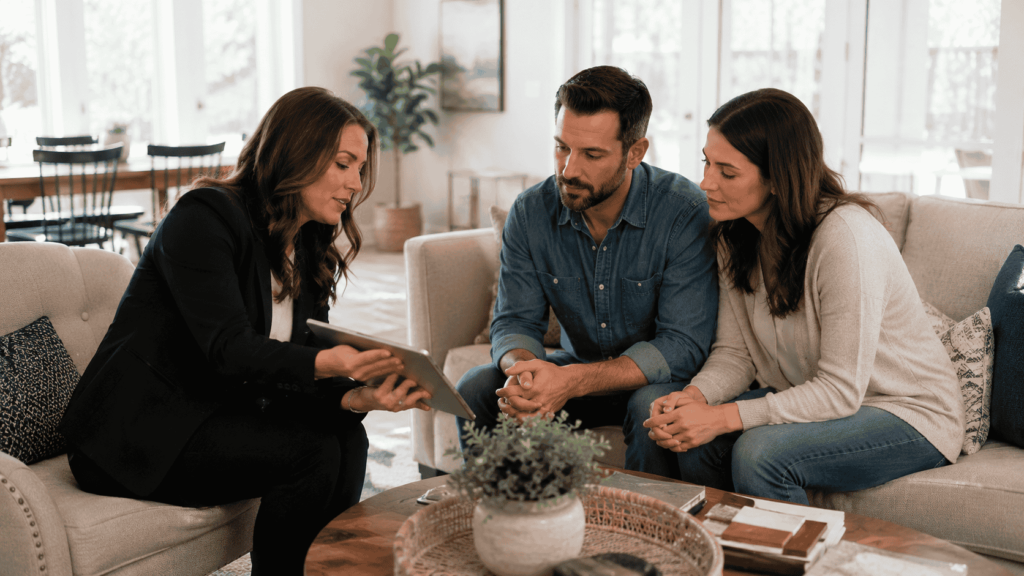
At the end of the inspection, we spend time walking buyers through the findings in plain language and real-world terms.
You’re not going to hear “Refer to section 4.2 for HVAC deficiencies.”
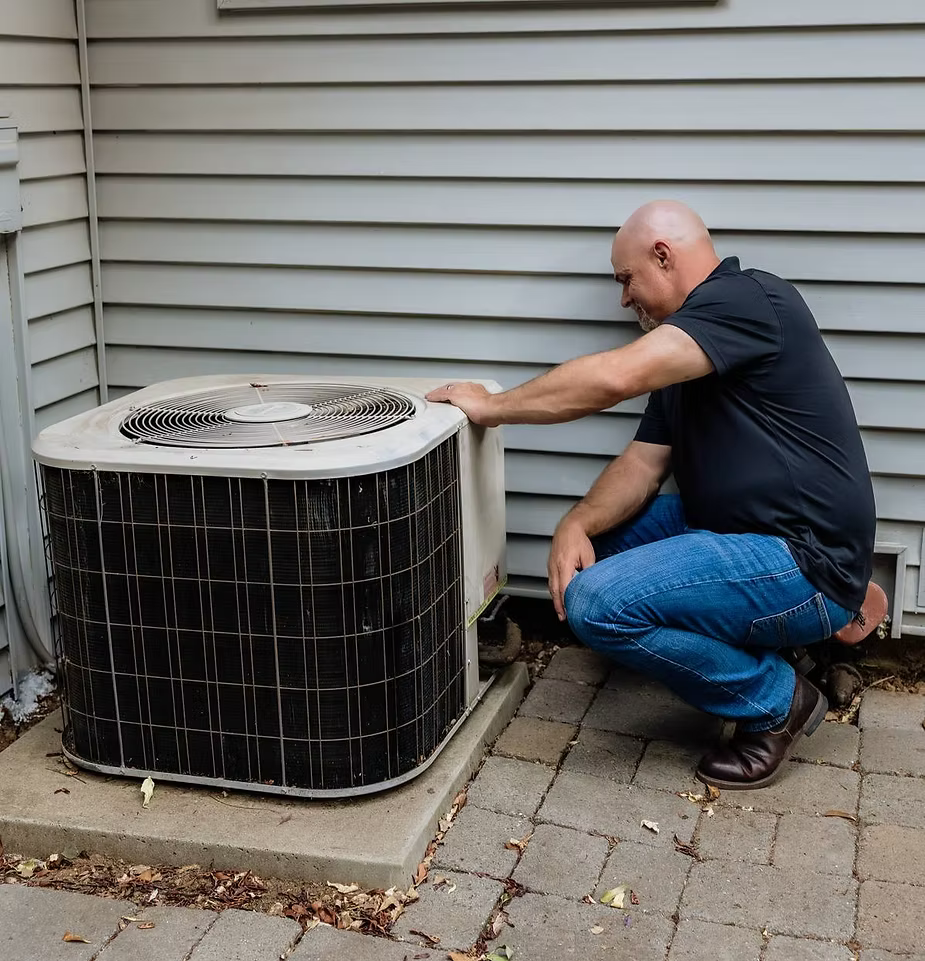
You will hear something more like “Your furnace is older and likely getting toward the end of its lifespan. It’s working at the time of inspection, but it’s smart to budget for replacement in the coming years.”
That conversation changes the entire tone of the report.
Once buyers understand what they’re looking at, the report usually feels far less intimidating and they begin to understand:
what’s important right now
what can be monitored over time
and what’s simply part of owning an older home
The report is information. The walkthrough is context.
And when buyers have both, they make far more confident decisions.
The Mindset Shift Worth Sharing
One of the biggest misconceptions around home inspections is that a shorter report automatically means a better house.
That’s not always true. And in fact, at Nighthawk, we believe the opposite is usually true.
A detailed report often means the inspector took the time to document the property carefully and explain what they observed.
You’re not looking for a perfect report. You’re looking for an accurate one.
Every home has maintenance. Every home has aging components. Even newer homes can have defects, oversights, or safety concerns worth addressing.
The goal of the inspection isn’t to scare buyers away from a house.
The goal is to help buyers understand what they’re buying so they can move forward with clear expectations.
What Agents Tell Us | Home Inspection Report
One thing we hear often after inspections is how the client feels so much better after the inspector explained it.
That’s not a coincidence.
We believe a good inspection experience should leave buyers feeling informed, supported, and able to ask questions openly, not rushed through the process or left trying to interpret everything alone from a PDF.
Buying a home is already a big decision. The inspection process shouldn’t add unnecessary confusion or fear to it.
When buyers understand the house and the report, they tend to make calmer, more confident decisions about what comes next.
A home inspection shouldn’t leave you more confused than when you started. The goal is to help you understand the home, know what matters most, and feel confident moving forward.
If you ever have questions during the inspection process, we’re always happy to talk things through.